Insights
Practical notes on bookkeeping, VAT and year-end preparation. No fluff.
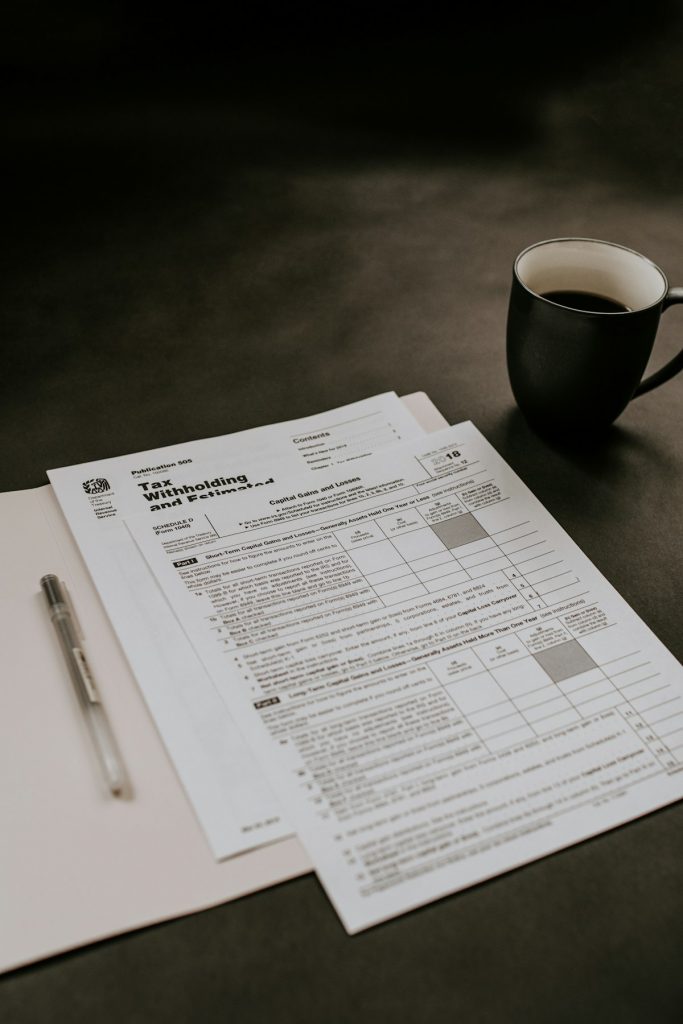
Record keeping: how long to keep documents in the UK
Keep key business documents organised and accessible. A simple folder system and regular review helps compliance and efficiency.

Self Assessment: avoid common mistakes
Prepare early: income sources, allowable expenses, and relevant documents. A structured approach reduces amendments later.

PAYE basics: what businesses often miss
Payroll errors are common when information is scattered. Confirm employee details, keep submissions consistent, and document changes.

Bookkeeping essentials for small businesses
Clean records mean better decisions. Track income and expenses consistently, reconcile bank accounts, and keep receipts in one…
Year-end accounts: a practical timeline
Start early: reconcile monthly, review expenses, and gather statements. A simple timeline reduces stress and improves accuracy.
VAT returns: what to prepare each quarter
A short checklist to keep VAT filing smooth: invoices, bank reconciliations, and a clear audit trail. Keep records…
Bookkeeping Basics for Clear Reporting
Regular bookkeeping helps you understand performance, cash flow and upcoming obligations. A monthly routine is often the most…
Limited Company Accounting: A Simple Checklist
Maintain organised records Reconcile bank transactions Track expenses properly Plan for year-end accounts Stay on top of key…
VAT Returns: What UK Businesses Should Prepare
A consistent bookkeeping routine helps ensure VAT submissions are accurate and supported by proper records. Keep invoices organised,…